
 Épingler
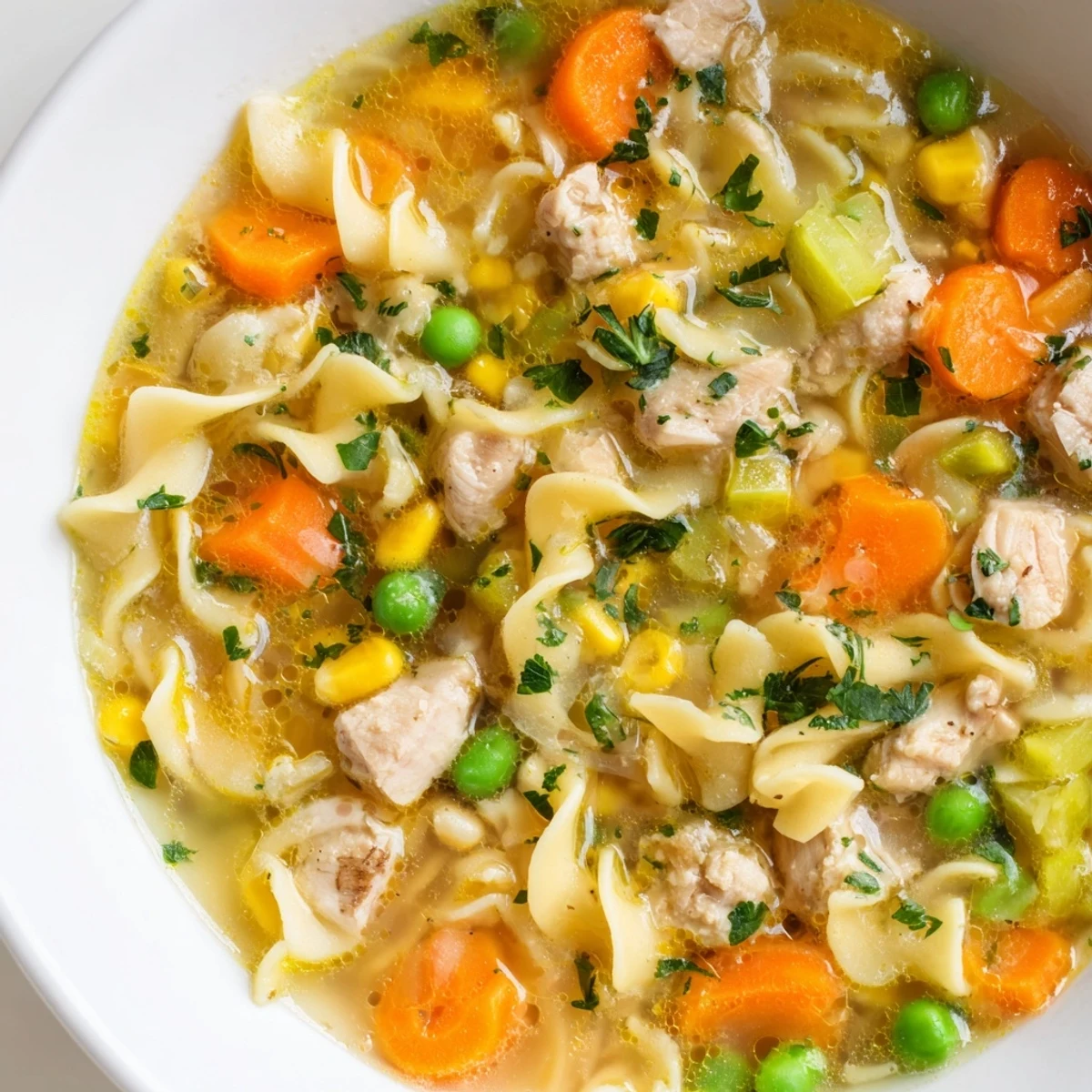
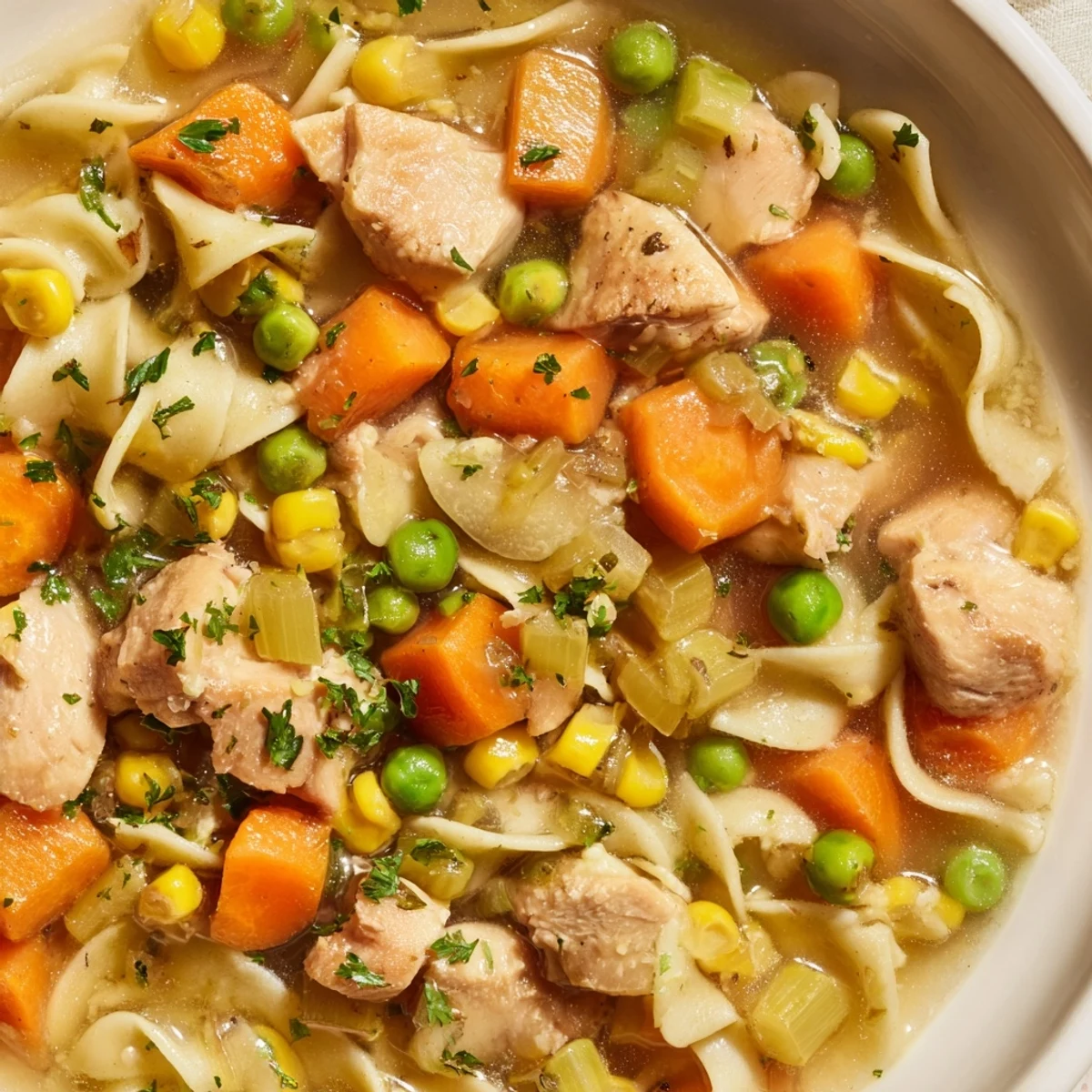
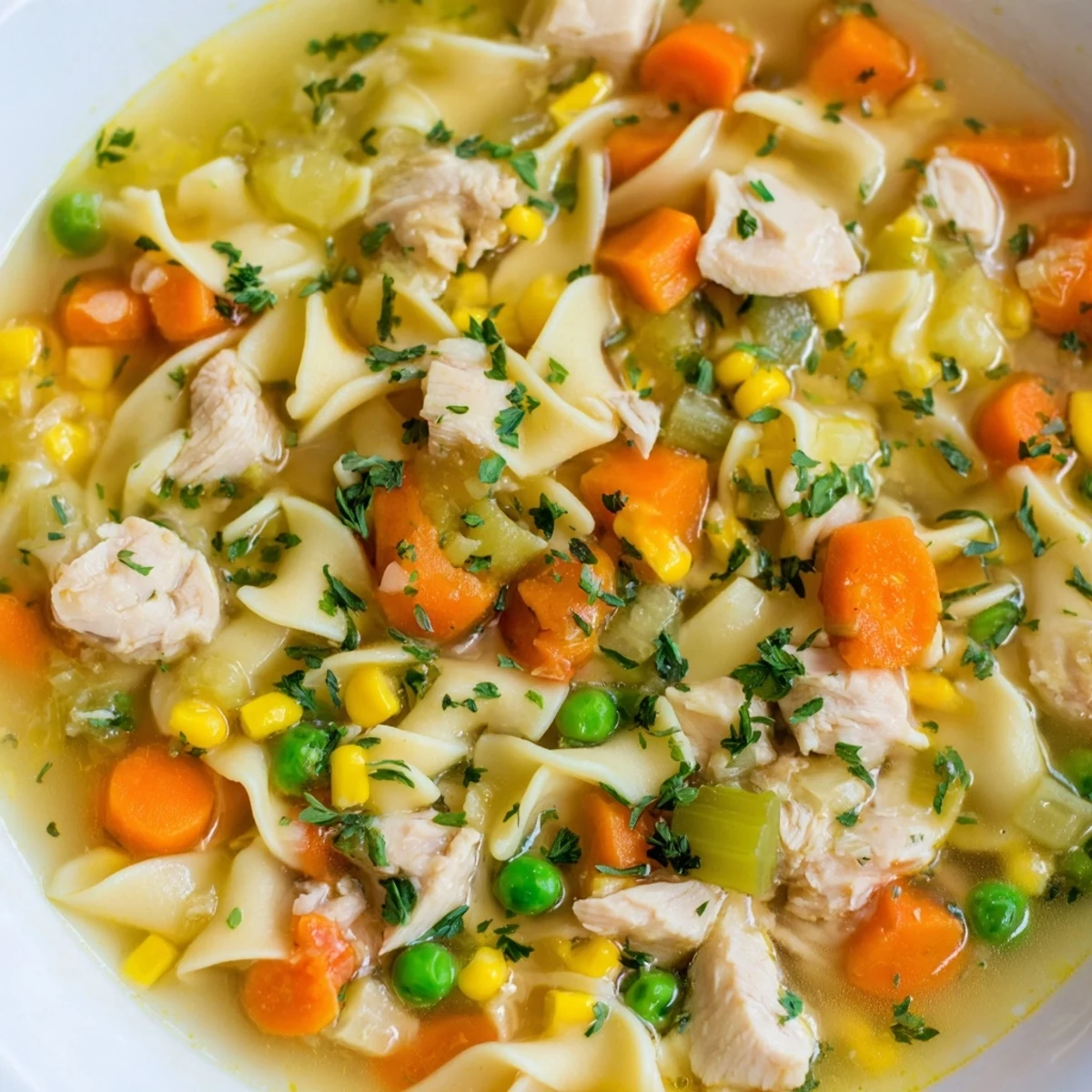
 Ce plat réconfortant associe des morceaux de poulet tendres à des légumes colorés et des nouilles moelleuses dans un bouillon savoureux. La cuisson douce permet de préserver la saveur naturelle des ingrédients tout en offrant une texture équilibrée. Parfait pour les journées fraîches, ce mélange apporte chaleur et vitalité en un seul bol, avec l’ajout facultatif de persil frais pour une touche aromatique.
There's something about a steaming bowl of chicken vegetable soup that stops time. I was in a rush one Tuesday evening, the house cold and my energy depleted, when I decided to throw together whatever was in the fridge—chicken breasts, a sad bag of frozen peas, some carrots I'd meant to use days ago. Twenty minutes later, that pot had transformed into something that felt like an embrace. That's when I realized this soup wasn't just about the ingredients; it was about how they talk to each other in the broth, creating something warm that reaches deeper than your stomach.
I made this for my neighbor last winter when she'd been under the weather. She opened the door to that smell—garlic, thyme, and chicken simmering together—and actually teared up. She said it tasted like someone cared, which I guess was the whole point. Now whenever she's had a rough week, she calls asking if I can send a thermos her way.
Ingredients
- Chicken breasts: Boneless and skinless work best here because they cook quickly and stay tender; cutting them into bite-sized pieces means they're ready to eat the moment your spoon touches them.
- Carrots and celery: These two are the foundation—they release their sweetness into the broth as they soften, building flavor from the ground up.
- Onion and garlic: The onion melts into the background while garlic wakes everything up with just a whisper of sharpness.
- Frozen peas and corn: Don't skip the frozen versions; they're picked at peak ripeness and add bright bursts of sweetness that balance the savory broth.
- Chicken broth: Low-sodium lets you control the salt and prevents the soup from becoming one-note; taste and adjust at the end.
- Egg noodles: They soften without falling apart, absorbing the broth like tiny golden sponges.
- Bay leaf and thyme: These herbs whisper in the background, adding depth without shouting; they're the quiet confidence in every spoonful.
- Olive oil: Just two tablespoons is enough to start the vegetables without making the soup heavy.
- Fresh parsley: A handful at the end brightens everything and reminds you that food can be both humble and beautiful.
Instructions
- Start with the base:
- Heat olive oil in a large pot and add your onion, carrots, and celery. Listen for the gentle sizzle and watch the vegetables begin to soften around the edges—this takes about five minutes and is when the kitchen starts to smell like home.
- Wake up the garlic:
- Add minced garlic and stir constantly for just one minute; you want to hear it sizzle and smell that sharp fragrance bloom, but stop before it turns brown because that bitterness spreads through the whole pot.
- Cook the chicken:
- Add your chicken pieces and stir them around until the outsides turn opaque and pale, about four to five minutes. The chicken isn't fully cooked yet, but you're sealing in the juices and flavor.
- Build the broth:
- Pour in the chicken broth and add your bay leaf, thyme, salt, and pepper. Bring everything to a boil—you'll see bubbles racing across the surface—then reduce the heat to a gentle simmer where bubbles just barely break the surface.
- Let time do the work:
- Cover the pot and let it simmer for fifteen minutes. The chicken finishes cooking, the vegetables soften further, and the herbs release their quiet magic into every drop of liquid.
- Add the final players:
- Stir in your noodles, frozen peas, and corn, then simmer uncovered for ten to twelve minutes. Watch the noodles soften and the peas turn bright green as they warm through; taste a noodle to know when they're ready.
- Finish and serve:
- Fish out the bay leaf and taste the broth. Adjust salt and pepper if needed, then ladle into bowls and scatter fresh parsley on top.
 Épingler
 My daughter asked me once why I always make this soup when someone's going through something hard. I told her it's because food made with attention says things words can't, and a warm bowl in cold hands feels like being held. That's when she started helping me make it too.
When to Make This
This soup works for any season, but it shines on days when the weather turns cold or when someone needs gentle nourishment. It's weeknight-friendly because you're not hunting for fancy ingredients, yet it tastes thoughtful enough to serve when friends stop by unexpectedly. I've learned that the best time to make it is whenever you realize someone around you could use a little care.
Making It Your Own
The beauty of this soup is how it absorbs whatever you have on hand. I've swapped the peas for green beans, used rotisserie chicken to save time, and added spinach at the very end for color. Once you've made it once, you'll stop following the recipe and start listening to what your kitchen is asking for. The broth is forgiving, and it celebrates whatever vegetables you bring to it.
Storage and Second Life
This soup keeps beautifully in the refrigerator for up to four days, and the flavors actually deepen as it sits. Freeze it in portions without the noodles, then add fresh noodles when you reheat—that way they stay tender instead of getting mushy. On mornings when you need something warm and grounding, knowing there's a container of this waiting in the freezer feels like a small gift to your future self.
- Store in airtight containers and it will keep for up to four days in the refrigerator.
- Freeze for up to three months; thaw overnight in the fridge before reheating gently on the stovetop.
- If the broth has reduced too much by day three, add a splash of fresh broth or water when you reheat.
 Épingler
 This soup has taught me that the simplest meals often carry the most weight. It's proof that you don't need complexity to make something that matters.
Questions fréquentes sur la recette
- → Quels légumes utilise-t-on pour cette préparation ?
-
Elle comprend carottes, céleri, oignon, petits pois et maïs, apportant couleurs et saveurs variées.
- → Quel type de nouilles convient le mieux ?
-
Les nouilles aux œufs ajoutent douceur et texture, mais les versions sans gluten sont également possibles.
- → Comment équilibrer l’assaisonnement ?
-
On utilise thym séché, feuille de laurier, sel et poivre noir pour relever le goût sans masquer la fraîcheur des ingrédients.
- → Peut-on varier la viande utilisée ?
-
Oui, les cuisses de poulet avec os et peau conviennent pour un goût plus profond, à dégraisser avant consommation.
- → Quelle est la meilleure façon de servir ce plat ?
-
Idéalement chaud, garni de persil frais, il s’accompagne bien de pain croustillant ou d’une salade verte simple.