
 Épingler
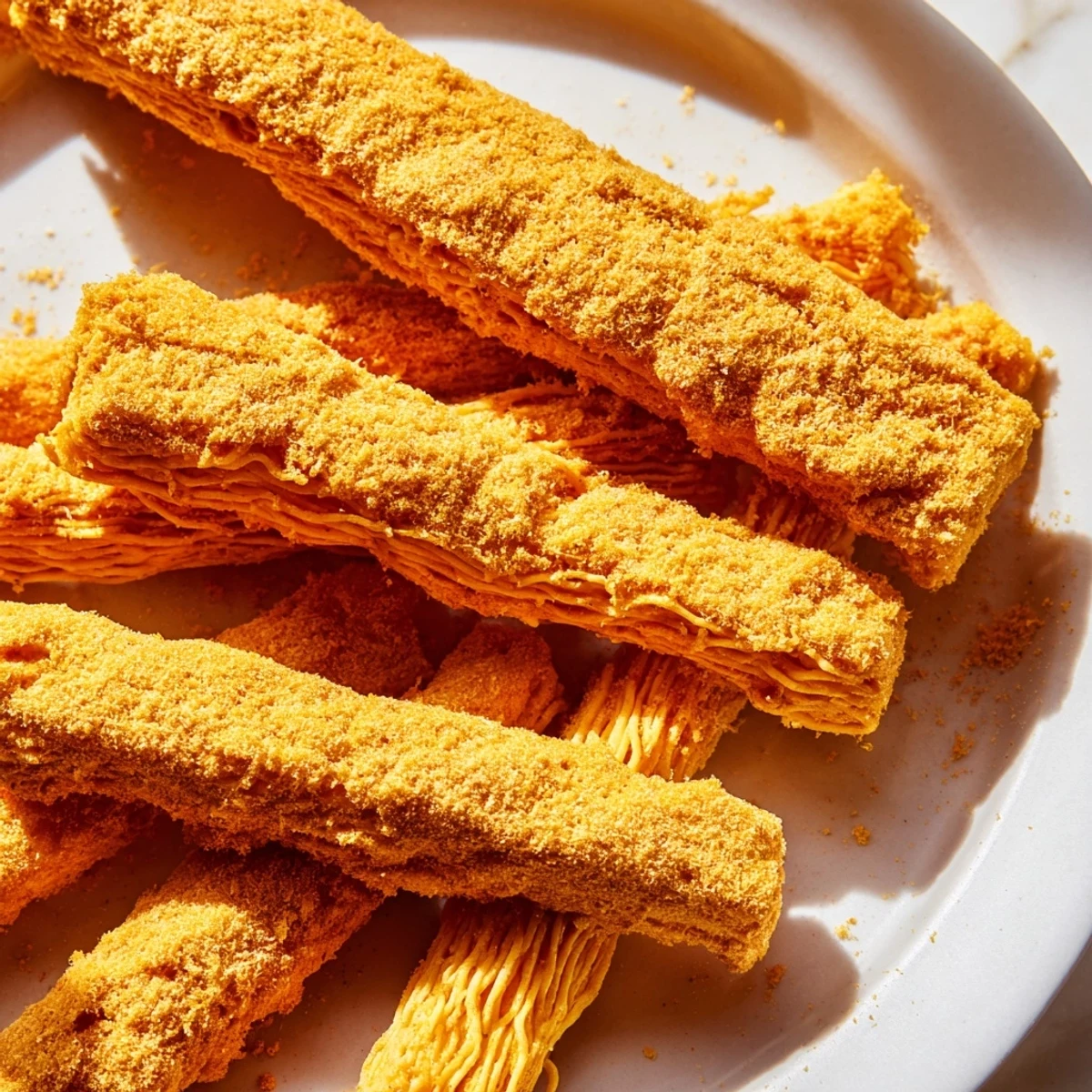
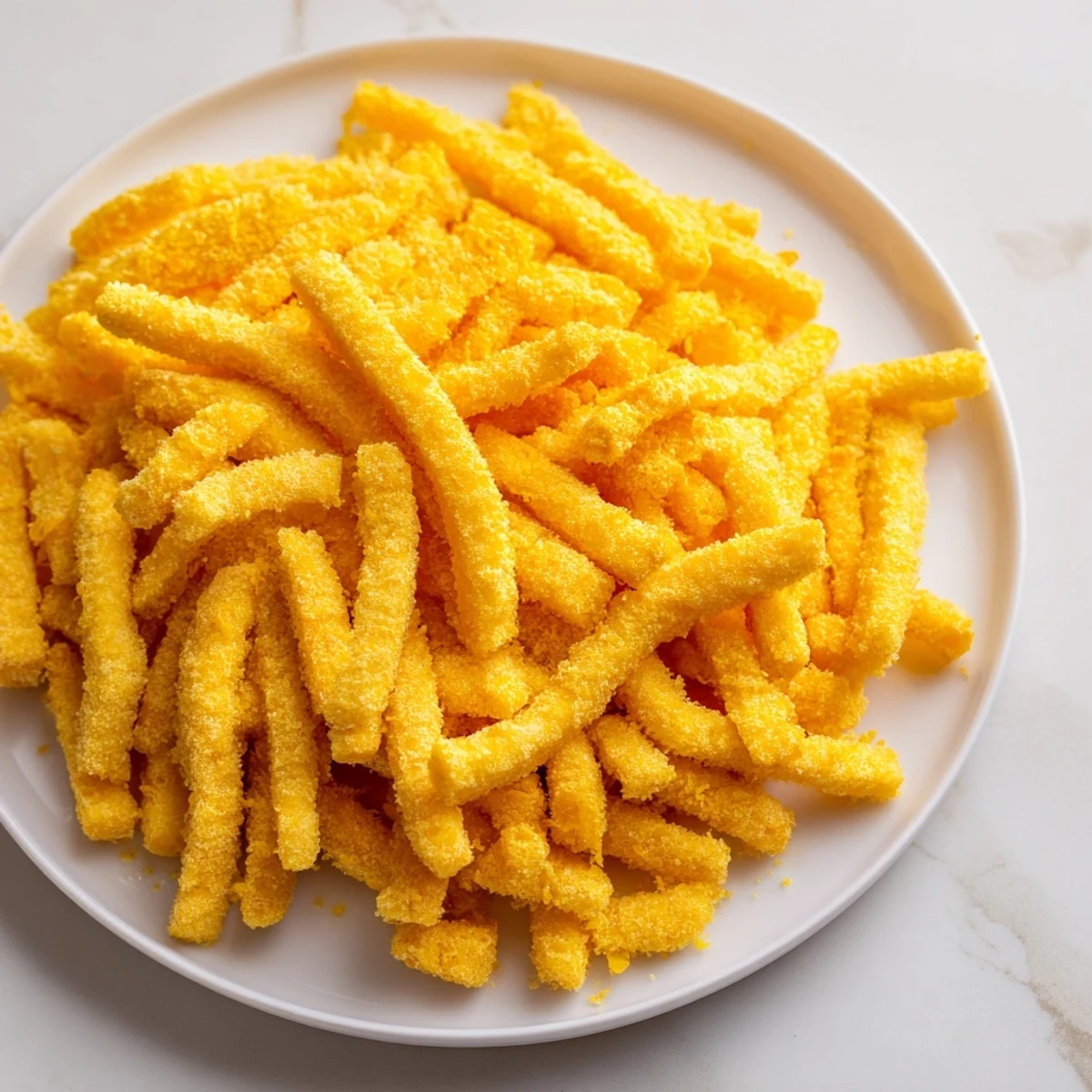
 Ce snack croustillant associe des bâtonnets fins de pommes de terre à une pâte épicée légère, puis à une fine couche de cornflakes écrasés. La friture à haute température garantit une texture dorée et croquante inégalée. Simple et rapide à préparer, ce plat convient bien aux occasions conviviales. Variez les épices ou les légumes pour personnaliser le goût selon vos envies. Accompagnez de sauces piquantes ou crémeuses pour rehausser les saveurs.
The first time I made these was on a lazy Sunday afternoon when my roommate stopped by unannounced, and I had almost nothing in the pantry except potatoes and a box of cornflakes. I decided to get creative, and what emerged from the oil was this impossibly golden, shattering-crisp snack that tasted nothing like the sum of its simple parts. We ate them straight from the paper towels, barely letting them cool, and I realized I'd stumbled onto something genuinely special.
I made a big batch for a game night last winter, and I watched people reach for them absent-mindedly while watching the screen, then suddenly stop and say, "Wait, what even is this?" That moment of surprise and delight never gets old, especially when someone bites down and that cornflake coating crunches audibly.
Ingredients
- Potatoes: Two large ones, cut into thin sticks—this is where the magic starts, so aim for even thickness so they cook at the same pace.
- Cornflakes: Crushed lightly until they're mostly fine with just a few larger pieces for texture; they become your golden armor when fried.
- All-purpose flour: The base of your batter, binding everything together with gluten to create that crispy shell.
- Cornstarch: This is the secret to extra crunch—it fries up lighter and crispier than flour alone.
- Cold water: Keeps your batter light and cold, which means it cooks faster and fries crispier.
- Paprika, garlic powder, onion powder: These three are a trio that tastes familiar and comforting, building a savory depth that makes people wonder what they're tasting.
- Salt and black pepper: The backbone of seasoning; don't skimp on either one.
- Vegetable oil: For frying—use an oil with a high smoke point so it stays stable at 350°F.
Instructions
- Mix Your Dry Spell:
- Combine flour, cornstarch, paprika, garlic powder, onion powder, salt, and pepper in a large bowl. I like to whisk these together for a minute or so to break up any clumps and distribute the spices evenly—this step quietly makes the difference between something good and something memorable.
- Build Your Batter:
- Gradually whisk in cold water until you have a smooth, thick batter the consistency of pancake batter—not too thin that it drips off, not so thick it gunks up. If it seems too stiff, add water a tablespoon at a time.
- Dry Your Potatoes:
- Pat those potato sticks completely dry with paper towels because any moisture on the surface will prevent the batter from sticking properly and create sputtering oil. This step takes thirty seconds but saves your whole project.
- Coat and Crust:
- Dip each potato stick into the batter, twirl gently to let excess drip off, then roll it in crushed cornflakes while pressing very lightly so the flakes adhere without crushing themselves further. You're building a jacket, not packing snow.
- Heat Your Oil:
- Bring your oil to exactly 350°F—use a thermometer because guessing is how you end up with pale or burnt food. If you don't have a thermometer, drop a tiny piece of potato in; if it sizzles gently and turns golden in about thirty seconds, you're close enough.
- Fry in Batches:
- Work in small batches so the oil temperature doesn't plummet when you add cold food. Three to four minutes is usually right—they'll float when they're nearly done, and you're looking for a deep golden color that's almost the color of a penny.
- Drain and Season:
- Fish them out with a slotted spoon, let them rest on paper towels, and sprinkle with extra salt while they're still hot. This is when they're most absorbent, and the salt will stick.
 Épingler
 There's something almost meditative about standing at the stove, watching golden sticks rise to the surface of bubbling oil, knowing that in a few seconds you'll have something warm and crackling to eat. It's one of those dishes that transforms a quiet moment into a small celebration.
The Science of Crunch
The cornflake coating works because cornflakes are already cooked and dried, so when they hit hot oil, they immediately crisp up and turn golden without ever becoming chewy. The cornstarch in your batter does something equally clever—it gelatinizes faster than regular flour, creating a thinner, crispier crust that shatters instead of shatters. Together, these two elements create that impossible texture that keeps people coming back.
Serving and Pairing
Eat them within minutes of frying while the contrast between the crispy outside and the warm, soft potato inside is at its peak. They're perfect as a standalone snack, but they also shine alongside a good dipping sauce—the acidity and creaminess of different sauces changes how you taste them. I've had the most fun pairing them with spicy ketchup, garlic aioli, or even a simple ranch with extra herbs stirred in.
Variations Worth Trying
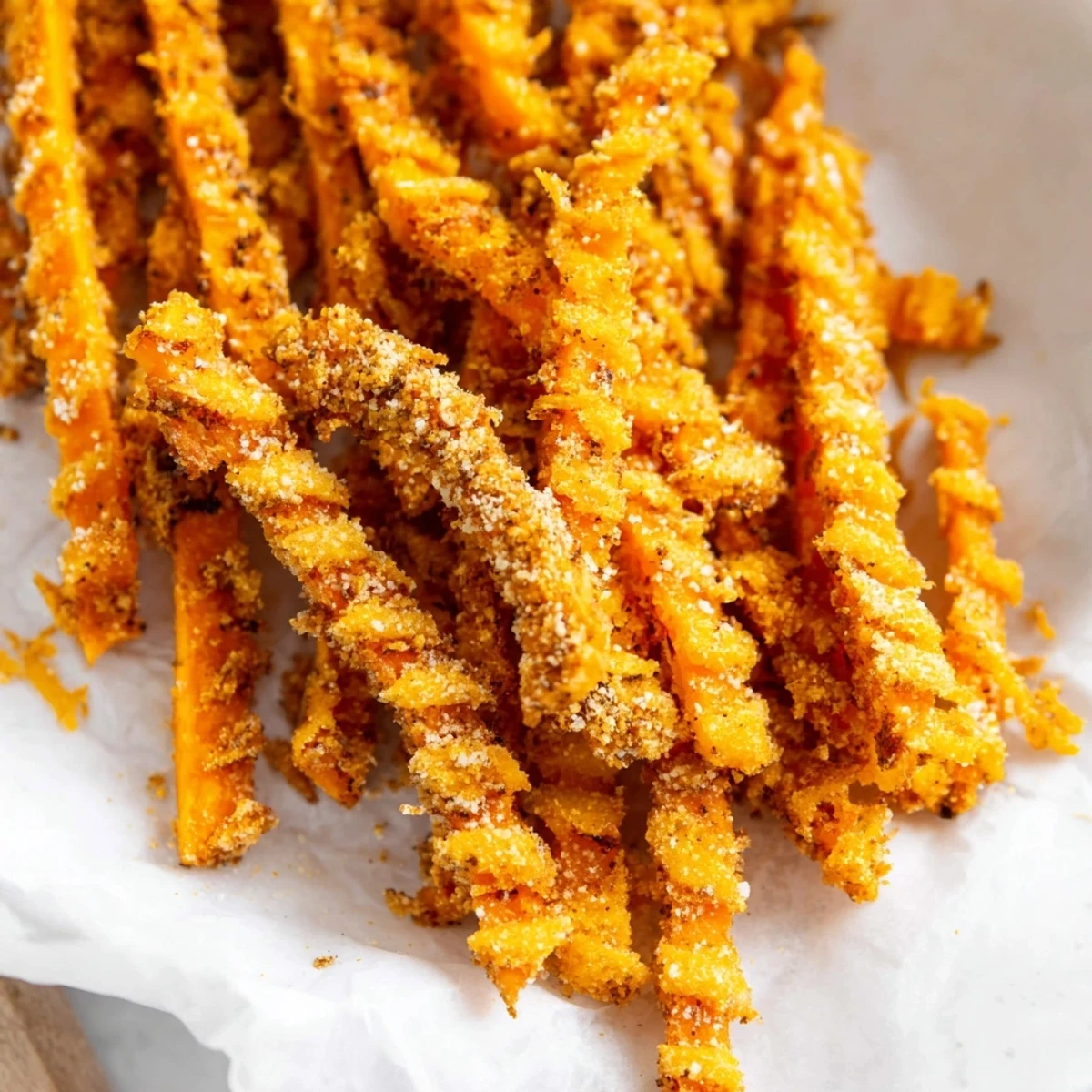
Once you understand the technique, this snack becomes a canvas for experimentation. Sweet potatoes give you a softer, slightly caramelized interior that contrasts beautifully with the same crispy coating. Zucchini sticks become more delicate and elegant, perfect for a dinner party when you want something that looks more refined. You can also play with the spices—a pinch of cayenne or smoked paprika transforms the whole flavor profile, or try everything bagel seasoning for something unexpected.
- Swap regular potatoes for sweet potatoes or zucchini for a completely different textural experience.
- Add a small pinch of cayenne or chili powder to the batter if you want heat without making it overwhelming.
- Try panko breadcrumbs mixed with the cornflakes for an even crunchier, more textured crust.
 Épingler
 These golden sticks are proof that sometimes the simplest ideas, executed with a little attention and care, become something people remember long after the meal is over. Make them when you want to turn an ordinary moment into something worth talking about.
Questions fréquentes sur la recette
- → Comment obtenir des pommes croustillantes ?
-
Assurez-vous que les bâtonnets de pommes de terre soient bien secs avant de les enrober du mélange. La friture à température élevée (environ 175°C) garantit une texture croustillante.
- → Peut-on remplacer les pommes de terre ?
-
Oui, des patates douces ou des courgettes coupées en bâtonnets sont d'excellentes alternatives pour varier les saveurs et textures.
- → Quelle huile est recommandée pour la friture ?
-
Utilisez une huile végétale avec un point de fumée élevé, comme l'huile de tournesol ou de pépins de raisin, pour une friture optimale.
- → Comment rendre l'enrobage plus épicé ?
-
Ajoutez une pincée de piment de Cayenne ou de poudre de chili au mélange sec avant d'incorporer l'eau pour relever les saveurs.
- → Comment conserver les restes ?
-
Conservez-les dans un récipient hermétique au réfrigérateur et réchauffez-les au four pour retrouver leur croustillant.