
 Épingler
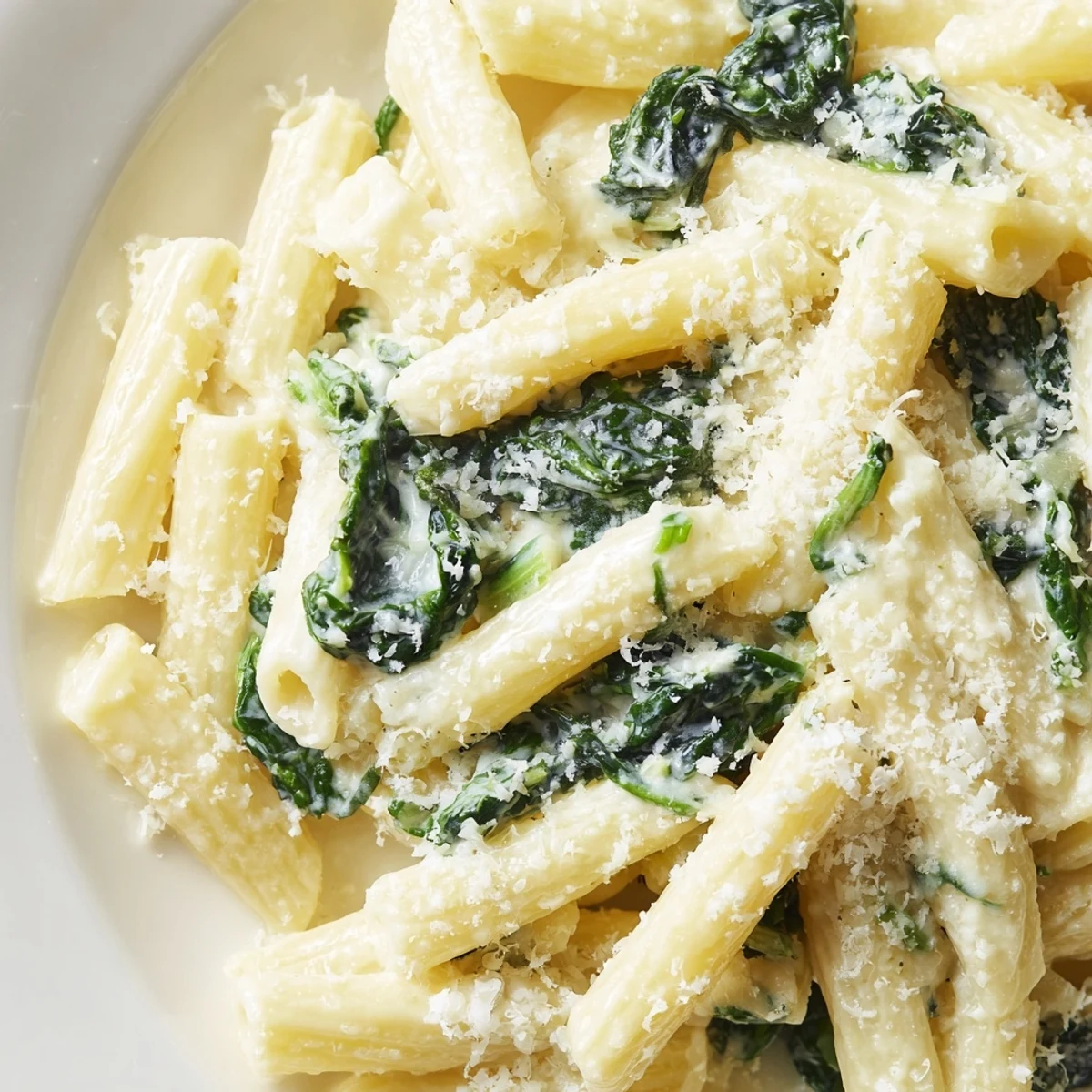
 Ce plat combine des pâtes al dente avec une sauce riche à base de crème, beurre, ail et parmesan. Les épinards frais apportent fraîcheur et couleur. L’oignon sauté rehausse les saveurs tandis que la touche de muscade ajoute une légère profondeur. Facile et rapide à réaliser, il offre un repas réconfortant et équilibré, parfait pour une soirée conviviale. Ajustez la consistance avec un peu d’eau de cuisson des pâtes et servez chaud, garni de parmesan fraîchement râpé.
There's something about the smell of garlic hitting hot butter that makes me pause whatever I'm doing and just breathe it in. I discovered this creamy spinach pasta on a Tuesday night when my fridge was looking pretty bare, but I had a bunch of fresh spinach that needed rescuing and a block of Parmesan that seemed to be calling my name. What started as a quick dinner became the kind of dish I now make whenever I want something that feels both comforting and elegant, without any fuss.
I made this for my partner the night we decided to actually cook together instead of sitting separately with our phones, and something about standing at the stove side by side, him stirring while I grated cheese, felt like the meal itself. That's when I realized this dish has a quiet magic to it—it brings people into the kitchen without demanding anything difficult of them.
Ingredients
- Penne or fettuccine, 350g: The shape matters more than you'd think—penne catches the cream in its little tubes, but fettuccine lets it cling beautifully to long strands.
- Fresh spinach, 200g: Don't buy it pre-chopped if you can help it; whole leaves wilt more gracefully and taste noticeably fresher.
- Garlic, 2 cloves: Mince it fine so it dissolves into the butter and becomes part of the sauce rather than a chunky surprise.
- Small onion: It's there to build sweetness and depth, not to announce itself, so chop it small and let it soften completely.
- Unsalted butter, 2 tablespoons: Use real butter here; it's only thirty grams, and it makes an actual difference in how the sauce tastes.
- Heavy cream, 200ml: This is where the richness comes from, but we're mixing it with milk to keep it from being overwhelming.
- Whole milk, 60ml: The secret to a sauce that feels luxurious without coating your mouth—it thins the cream just enough.
- Parmesan cheese, 60g: Grate it fresh if you can; the pre-shredded stuff has anti-caking agents that make the sauce a tiny bit grainy.
- Salt and black pepper: Start conservative because Parmesan brings its own saltiness, and you can always add more.
- Nutmeg, a pinch: It sounds odd, but one small pinch wakes up the spinach and cream in a way nothing else does.
Instructions
- Get your pasta going:
- Bring a big pot of salted water to a rolling boil—it should taste like the sea, as they say—and drop in your pasta. Set a timer for one minute less than the package says, because you want it to still have a tiny bit of resistance when you bite it.
- Start building the sauce:
- While the pasta cooks, melt your butter in a large skillet over medium heat and add the chopped onion. Let it sit there for about four minutes, stirring occasionally, until it turns soft and starts to look almost translucent at the edges.
- Toast the garlic:
- Once the onion is soft, add your minced garlic and stir it constantly for just about a minute—this is where you have to pay attention because garlic burns fast and tastes bitter when it does. You'll know it's right when the whole pan smells like a restaurant kitchen.
- Wilt the spinach:
- Dump in all your spinach at once; it looks like way too much, but it shrinks dramatically in about two minutes. Keep stirring until it's all dark green and tender.
- Pour in the cream:
- Add both the heavy cream and the milk, stirring gently so everything gets incorporated. Let it come to a soft simmer where you see lazy bubbles breaking the surface, not an aggressive boil.
- Add the cheese and seasonings:
- Stir in the Parmesan, salt, pepper, and that pinch of nutmeg, then let it simmer for a few minutes until you see the sauce thicken just slightly and taste a tiny spoonful to make sure the seasoning feels right.
- Bring it all together:
- Drain your pasta, add it right to the skillet, and toss everything together so every strand gets coated. If it looks too thick, add some of that reserved pasta water a splash at a time until it has the consistency you want—it should be creamy enough to coat the back of a spoon but still look like sauce, not glue.
- Taste and serve:
- Give it one final taste and adjust the salt and pepper, then plate it up right away while it's still hot, maybe with a little extra Parmesan and a crack of fresh pepper on top.
 Épingler
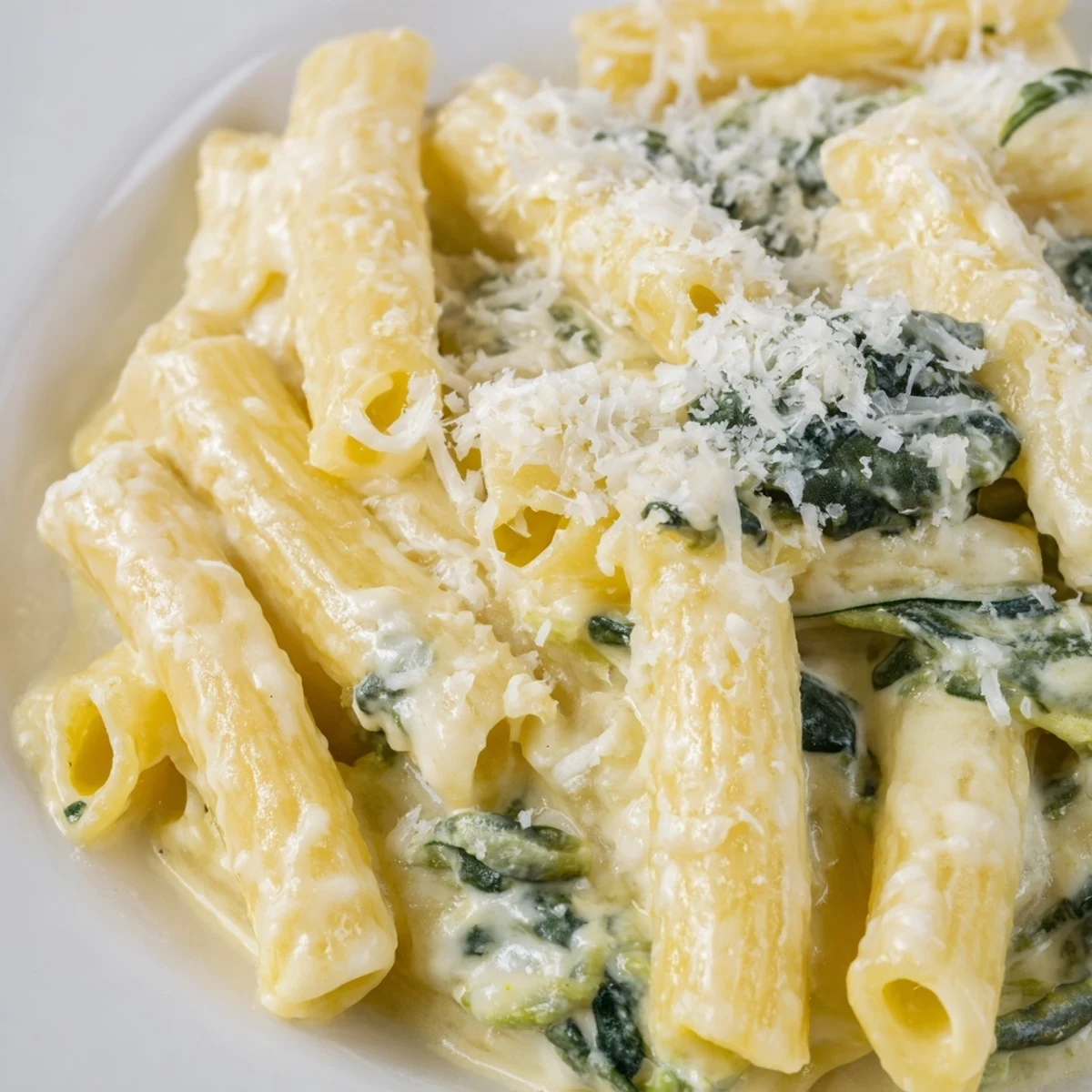
 There's a moment near the end of cooking when the spinach has completely softened, the cream smells almost nutty, and you realize you're standing in front of something genuinely delicious that you made without any stress at all. That quiet satisfaction is exactly why I keep coming back to this dish.
Why This Dish Feels Special
Creamy spinach pasta sits in this comfortable space where it's fancy enough to feel like you did something real, but easy enough that you're not stressed the whole time you're cooking. It's the kind of meal that works for a regular Tuesday, but also feels thoughtful enough to serve to people you want to impress without actually being complicated. The spinach keeps it from feeling too heavy, and the garlic keeps it from feeling boring.
Variations and Additions
Once you understand how this sauce works, you can play with it gently. Some nights I stir in cooked chicken breast that I've sliced thin, and it transforms into something heartier without losing its elegance. Other times I'll add sautéed mushrooms—cremini or shiitake work beautifully—and they absorb the cream sauce and add an earthy richness.
Pairing and Serving Suggestions
Serve this with a crisp white wine like Pinot Grigio or Sauvignon Blanc; there's something about the acidity cutting through the cream that makes the whole experience feel lighter and brighter. A simple green salad alongside it rounds things out nicely, and if you have good bread, that's never a mistake. The whole meal comes together in the time it takes to cook the pasta, which is exactly the kind of efficiency I appreciate in a recipe.
- Make sure the pasta water is salty enough to season the pasta itself, not just the sauce.
- If you're cooking for someone with dairy allergies, plant-based cream and butter substitutes work here more successfully than you'd expect.
- This dish is best eaten immediately while the sauce is still silky and the pasta is at its best.
 Épingler
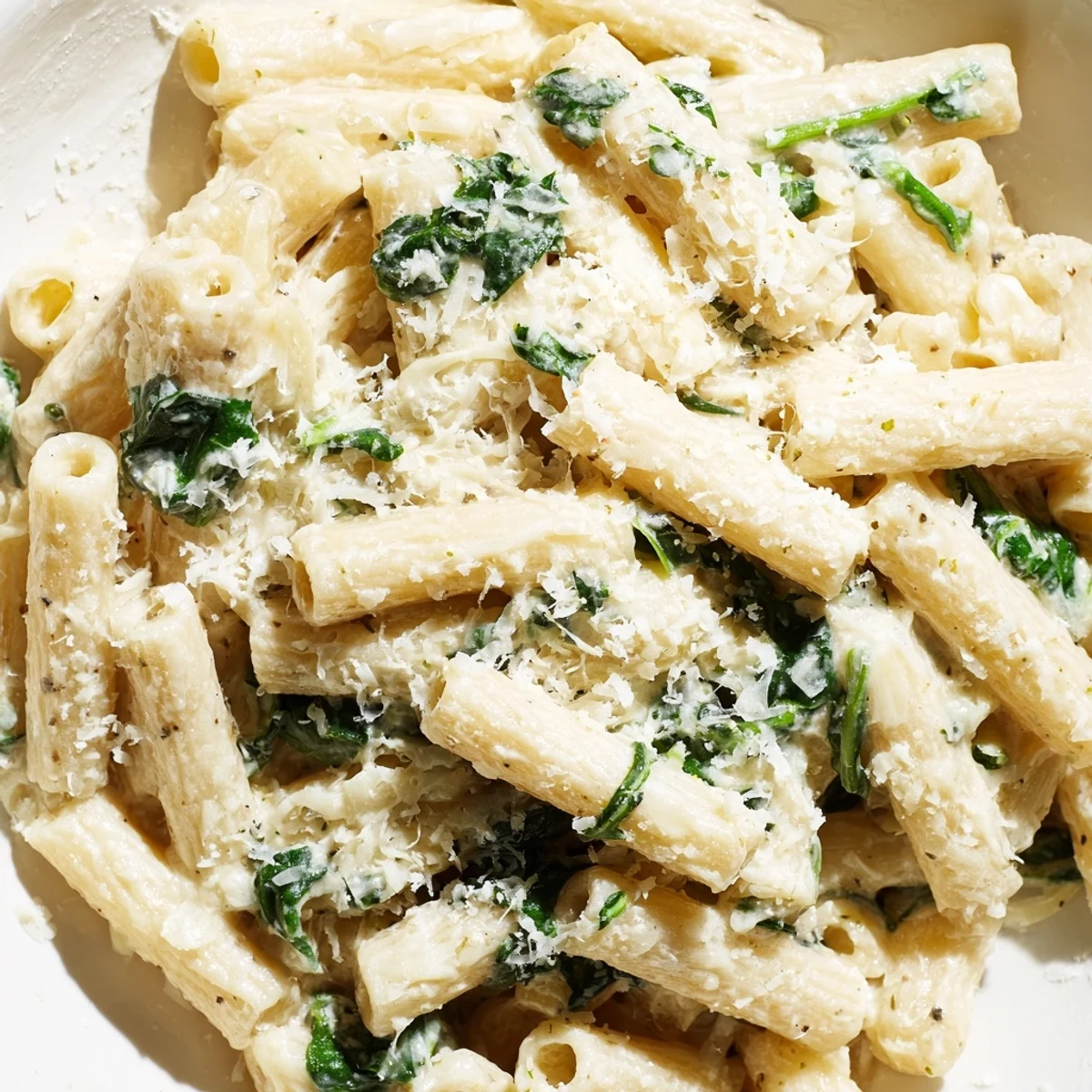
 This is the kind of recipe that reminds me why I love cooking—it asks for just enough attention to keep things interesting, but not so much that you're stressed. Once you've made it once, it becomes one of those dishes you reach for whenever you need something good and real.
Questions fréquentes sur la recette
- → Quel type de pâtes utiliser pour ce plat ?
-
Des pâtes comme les penne ou les fettuccine conviennent bien pour retenir la sauce crémeuse.
- → Peut-on remplacer les épinards par un autre légume ?
-
Oui, le chou kale ou la bette à carde sont d'excellents substituts qui apportent une texture similaire.
- → Comment éviter que la sauce ne soit trop épaisse ?
-
Ajoutez petit à petit l'eau de cuisson réservée des pâtes pour ajuster la consistance à votre goût.
- → Peut-on préparer ce plat à l’avance ?
-
Il est préférable de le déguster immédiatement, mais la sauce peut être réchauffée doucement en ajoutant un peu de liquide.
- → Quelles variantes pour plus de protéines ?
-
Incorporez du poulet cuit ou des champignons sautés pour enrichir le plat en protéines.