
 Épingler
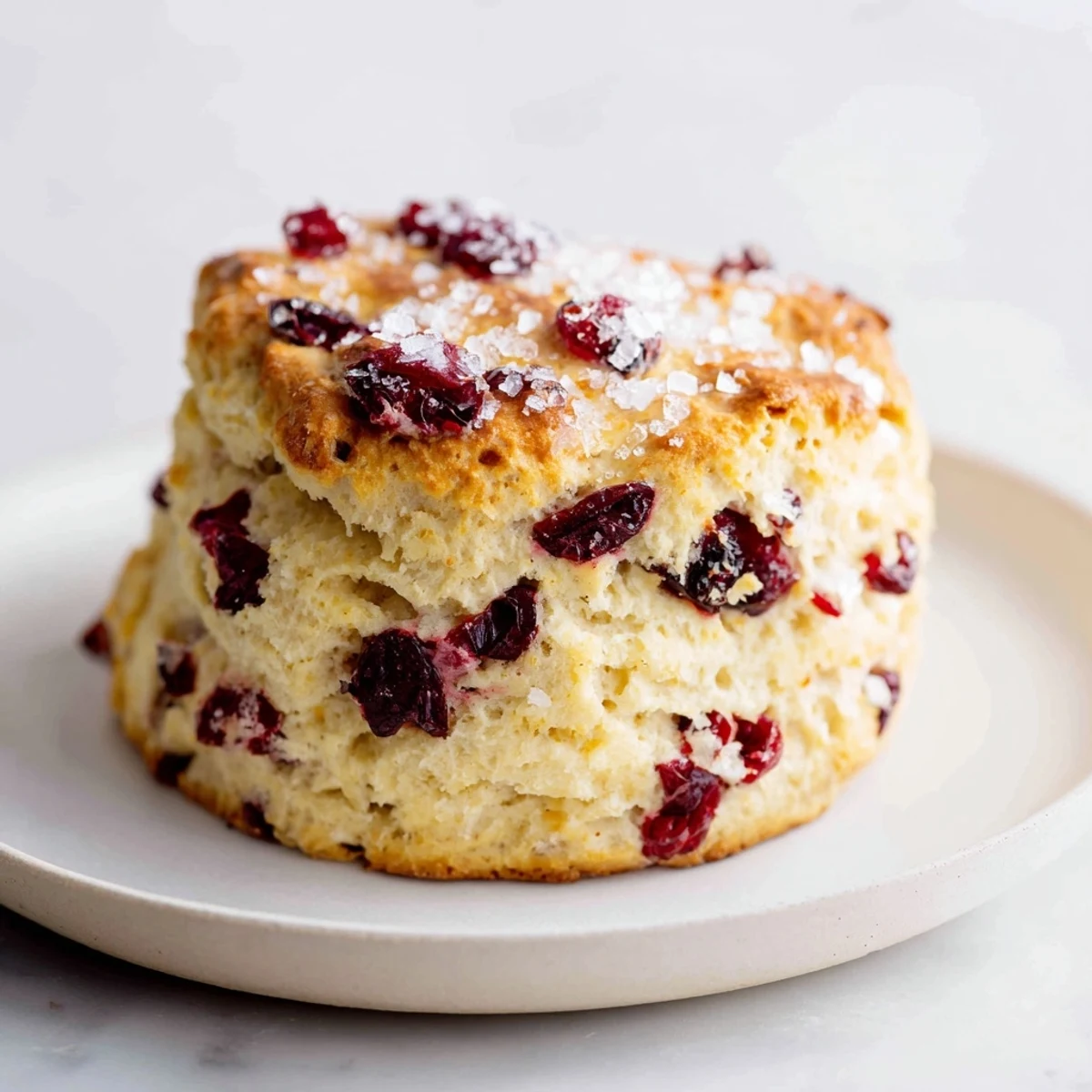
 Découvrez des scones doux et beurrés, enrichis de cranberries séchées apportant une touche acidulée. La pâte légère et friable s'obtient en mêlant farine, beurre froid, lait ribot et œuf, avant d'incorporer délicatement les cranberries. Après une cuisson dorée au four, ils se dégustent seuls ou accompagnés de beurre ou confiture, parfaits pour le matin ou le goûter.
There's something almost magical about the moment when butter, flour, and buttermilk transform into something golden and tender enough to split open with your bare hands. I stumbled onto scones properly—not from a British grandmother's kitchen, but from a weekend when I was experimenting with what I had on hand and somehow ended up with something that tasted like it belonged in a proper tea service. The cranberries came later, almost by accident, when I was trying to use up a bag that had been sitting in my pantry. What emerged was this perfect balance of tart and buttery, the kind of thing you eat one of and suddenly understand why people wake up early for afternoon tea.
I made these for a friend who'd been having a rough week, and watching her face when she bit into one still warm from the oven—that moment of closing her eyes and just existing in the taste—made me realize these aren't just breakfast pastries. They're the kind of small, thoughtful thing that says 'I made this for you' without needing to say much of anything at all.
Ingredients
- All-purpose flour (2 cups / 250 g): The foundation that needs to stay cool—this is why you work quickly and keep everything cold.
- Granulated sugar (1/4 cup / 50 g): Just enough to edge the dough toward sweetness without making these feel like cake.
- Baking powder (2 tsp): This is what gives scones their tender lift, their almost cloud-like interior.
- Baking soda (1/2 tsp): Works with the buttermilk to create that subtle tang and help with rise.
- Salt (1/2 tsp): Makes everything taste like itself, nothing more.
- Unsalted butter, cold and cubed (1/2 cup / 115 g): Cold butter is non-negotiable—it's what creates those little pockets of steam that make scones flaky.
- Buttermilk, cold (2/3 cup / 160 ml): The secret ingredient that makes these tender; the acidity matters as much as the dairy.
- Large egg (1): Binds everything together and gives you that golden, glossy top.
- Dried cranberries (2/3 cup / 80 g): Tart and chewy, they're the spark that makes these memorable.
- Milk or cream for brushing (1 tbsp) and coarse sugar for topping (2 tbsp): Optional but worth it—they create a subtle shimmer and gentle crunch.
Instructions
- Set the stage:
- Preheat your oven to 400°F (200°C) and line a baking sheet with parchment paper. This simple step means everything releases cleanly and your kitchen fills with that unmistakable scone-baking smell.
- Combine your dry elements:
- In a large bowl, whisk together the flour, sugar, baking powder, baking soda, and salt. You're building the structure here, making sure the leavening agents are evenly distributed so every bite rises equally.
- Work in the cold butter:
- Add your cubed cold butter to the flour mixture and use a pastry cutter, fork, or your fingertips to break it into the flour until it looks like coarse breadcrumbs. The butter pieces should stay distinct—they're what creates flakiness, so don't let it all disappear into the flour.
- Fold in the cranberries:
- Stir in the dried cranberries gently, distributing them evenly through the dough. They'll soften slightly as the scones bake, releasing their tartness.
- Bring it together:
- In a separate small bowl, whisk the cold buttermilk and egg together, then pour this into your dry ingredients. Mix gently with a fork or spatula just until everything comes together—this is the moment where restraint matters. Overmixing develops gluten and turns these into tough little rocks instead of tender clouds.
- Shape your dough:
- Turn the dough onto a lightly floured surface and gently pat it into a round about 1 inch (2.5 cm) thick. It should feel soft and slightly shaggy, not smooth or overworked.
- Cut into wedges:
- Using a sharp knife, cut the round into 8 wedges as if you were cutting a pie. Place them on your prepared baking sheet with a little space between each one.
- Add the finishing touch:
- Brush the tops lightly with milk or cream and sprinkle with coarse sugar if you want that subtle shimmer and gentle crunch. This step isn't required, but it transforms them into something that looks as good as it tastes.
- Bake until golden:
- Bake for 16 to 18 minutes, until the scones are golden brown on top and feel set when you gently press one. They'll continue to firm up slightly as they cool.
- Cool and serve:
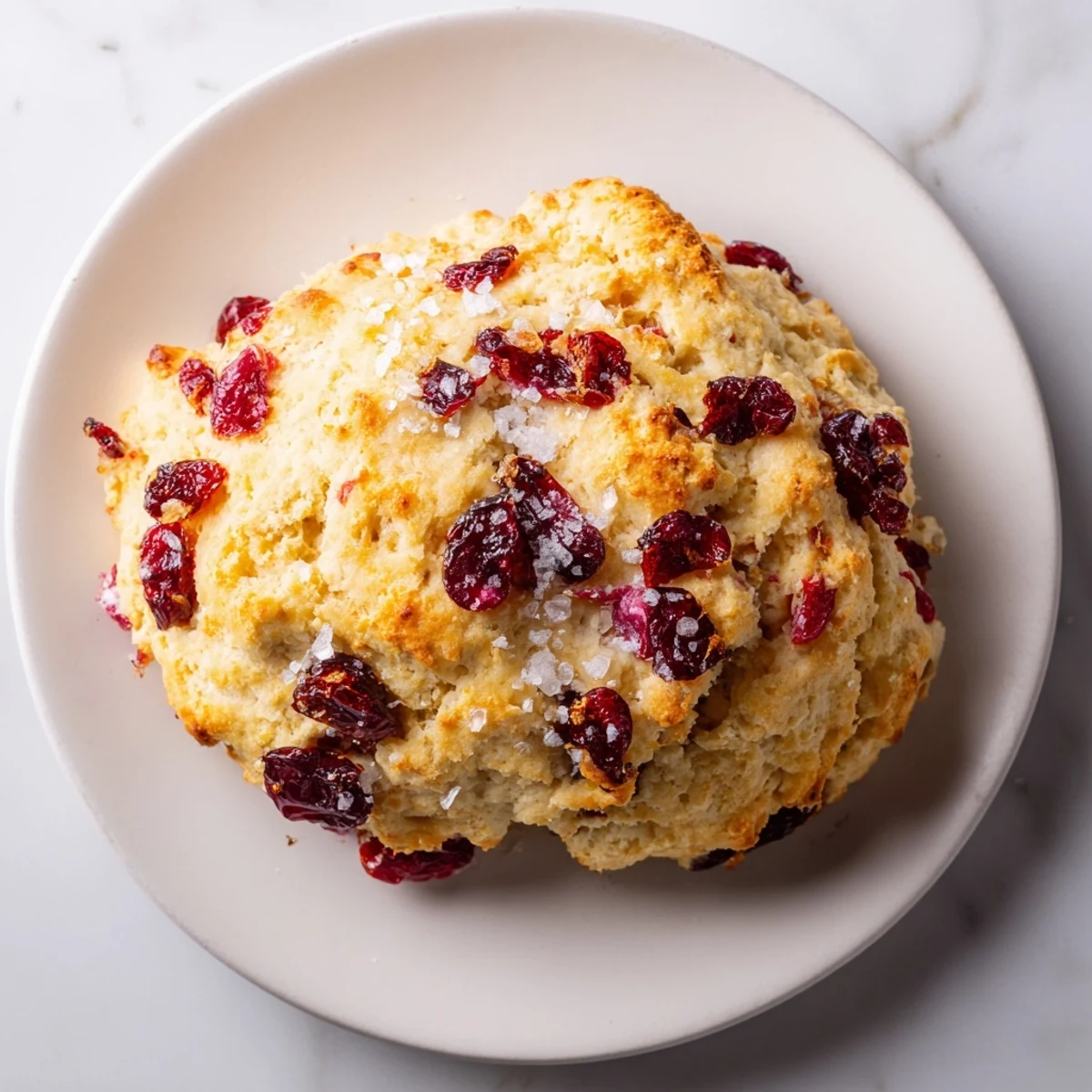
- Let them cool for just a few minutes—warm scones with butter or clotted cream are what dreams are made of.
 Épingler
 I remember my mother-in-law, who grew up in Devon, tasting one of these and saying they reminded her of her grandmother's kitchen. That small moment of recognition—of creating something that transported someone back to their own memory—made me understand that good recipes aren't just about technique. They're about connection.
The Secret of Tender Scones
The difference between a scone and a brick comes down to one principle: minimal handling and maximum cold. When butter melts into flour slowly, in uneven pockets, steam puffs everything apart during baking. When you overmix, you develop gluten and create density instead of lift. I learned this the hard way, kneading my first batch like I was making bread and ending up with something that could have doubled as a hockey puck. Now I barely touch the dough—pat, cut, bake. The gentler you are, the more tender the result.
Why Buttermilk Changes Everything
Buttermilk isn't just a dairy product; it's a flavor amplifier and a tender-maker. The acidity reacts with the baking soda to create tiny bubbles that lift and lighten, while the slight tang rounds out the sweetness in a way regular milk never could. If you don't have buttermilk, you can make a substitute by stirring together regular milk with lemon juice or vinegar and letting it sit for five minutes, but fresh buttermilk is worth seeking out—it's cold, it's affordable, and it makes a noticeable difference in the finished scone.
Serving and Pairing
Warm scones with cold butter, clotted cream, or jam are the heart of afternoon tea, but they're equally at home at breakfast or as an afternoon snack when someone needs cheering up. The tartness of the cranberries pairs beautifully with raspberry or strawberry jam, but they're equally lovely with honey or a simple spread of unsalted butter.
- Serve them warm or at room temperature—scones are forgiving that way.
- A light black tea or a fruit-forward white wine complements them perfectly.
- These keep well for two days in an airtight container, though reheating them gently in a 300°F oven for five minutes brings back that freshly-baked tenderness.
 Épingler
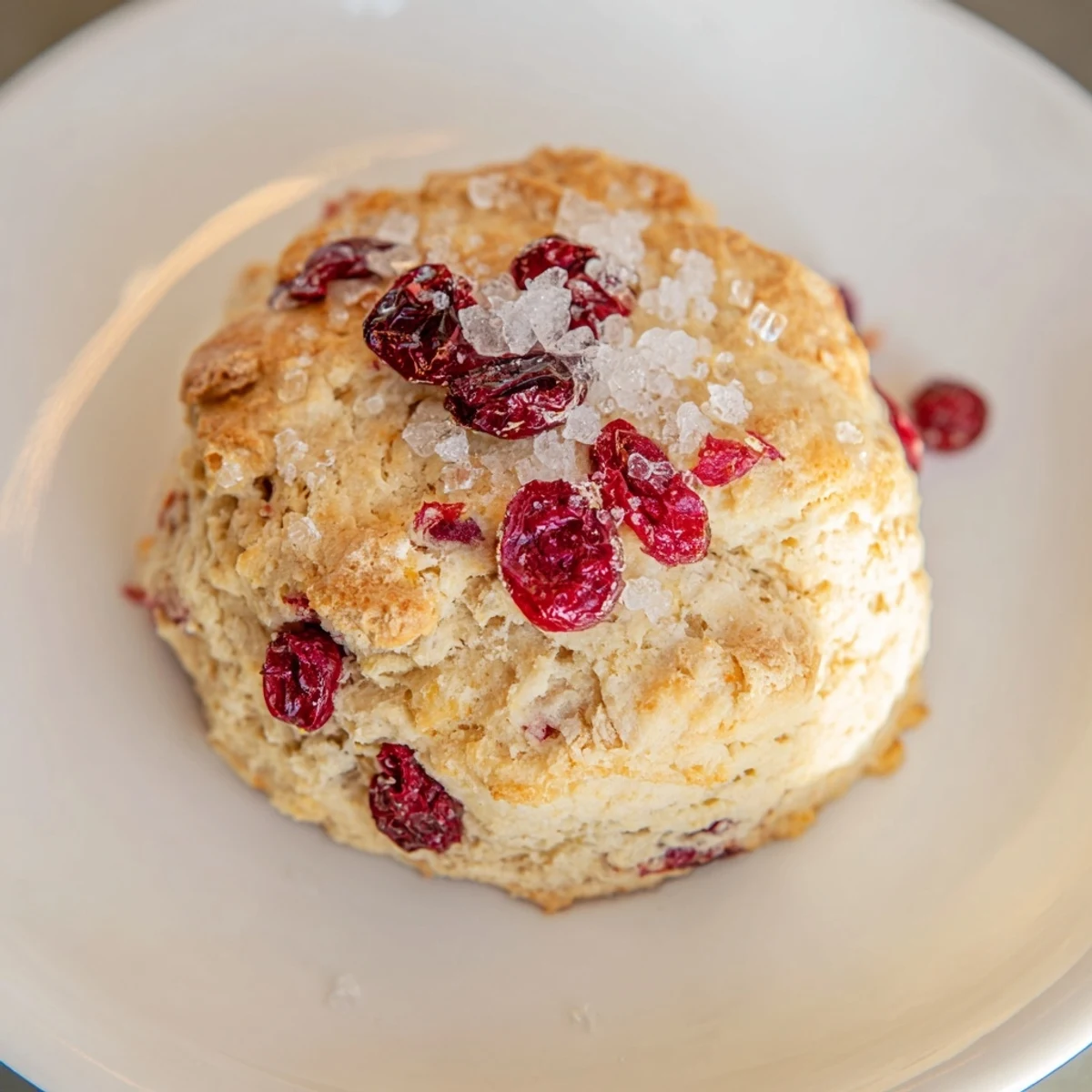
 These scones have become my go-to when I want to feel like I've done something special without spending the whole day in the kitchen. There's something deeply satisfying about pulling golden, tender scones from the oven and knowing that something this good came from your own hands.
Questions fréquentes sur la recette
- → Comment obtenir des scones bien moelleux ?
-
Utilisez du beurre très froid et travaillez rapidement la pâte pour conserver la texture feuilletée. Le lait ribot apporte également une belle tendreté.
- → Peut-on remplacer les cranberries séchées ?
-
Oui, des raisins secs ou des morceaux d'abricots secs peuvent convenir, à condition de les mélanger avec un peu de farine pour éviter qu'ils ne tombent au fond.
- → Faut-il ajouter un nappage avant la cuisson ?
-
Badigeonner le dessus avec du lait ou de la crème et saupoudrer de sucre grossier crée une jolie croûte croustillante et brillante.
- → Comment conserver ces scones ?
-
Ils se gardent deux jours dans une boîte hermétique à température ambiante, à réchauffer légèrement avant dégustation.
- → Quelle boisson accompagne bien ces scones ?
-
Un thé noir léger ou un vin blanc fruité s'harmonisent parfaitement avec la douceur et l'acidité des cranberries.